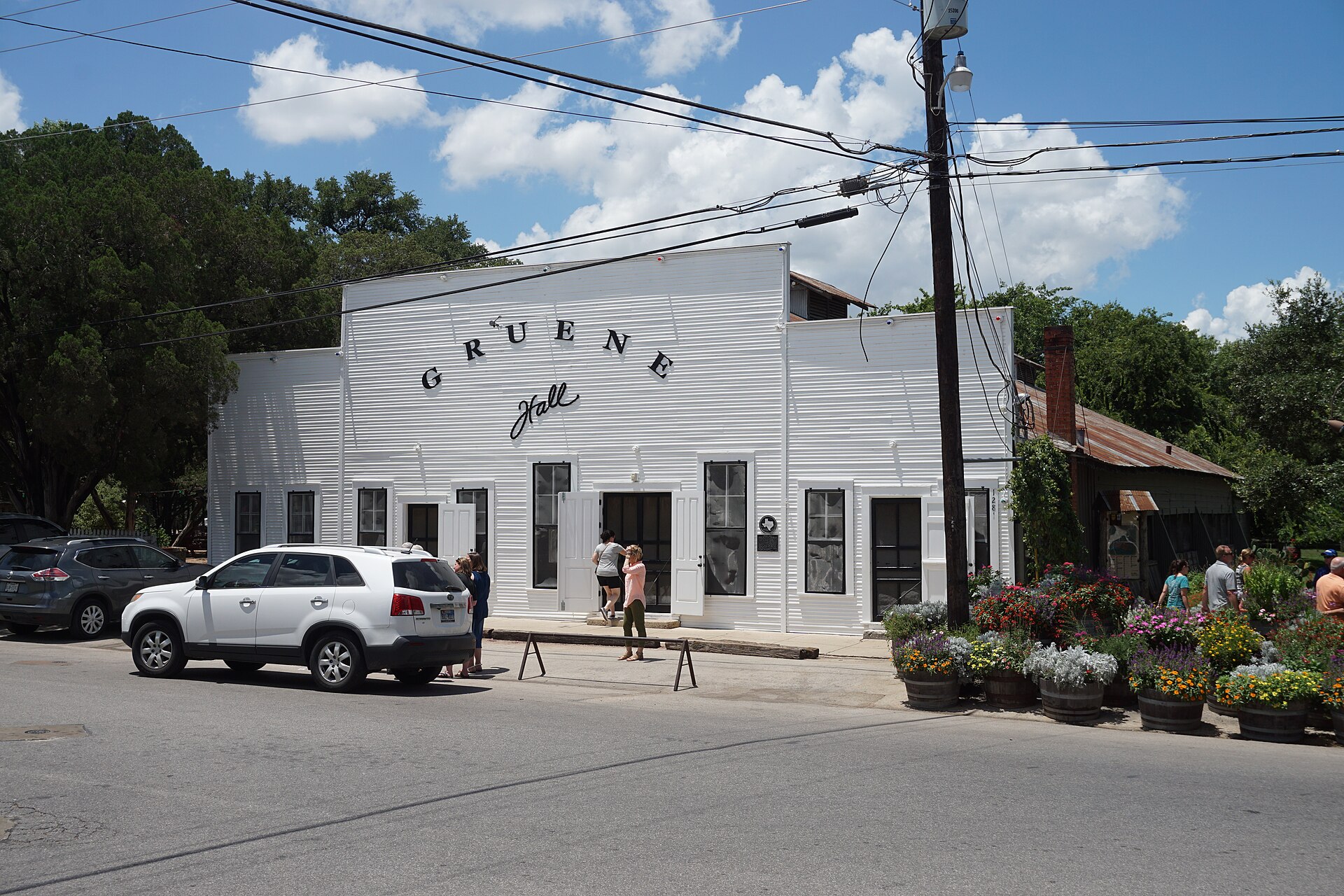
Gruene Hall is famous enough to become a cliché. The cure is context.
It began inside a working cotton community.
The hall was part of the same economic world as the mercantile and gin. Farmers needed places to trade, process crops, worship, gather, drink, dance and hear music. The hall survives because public life mattered enough to produce a building for it.
Its importance is continuity.
Many historic buildings become museums. Gruene Hall remained a venue. That makes it useful both as architecture and as a living strand of Texas music culture.
Listen for layers.
Do not collapse the region’s music into modern country alone. German dance traditions, Mexican-American music, regional popular music and later Texas singer-songwriter culture all belong in a fuller map of public entertainment.
A dance hall is social infrastructure
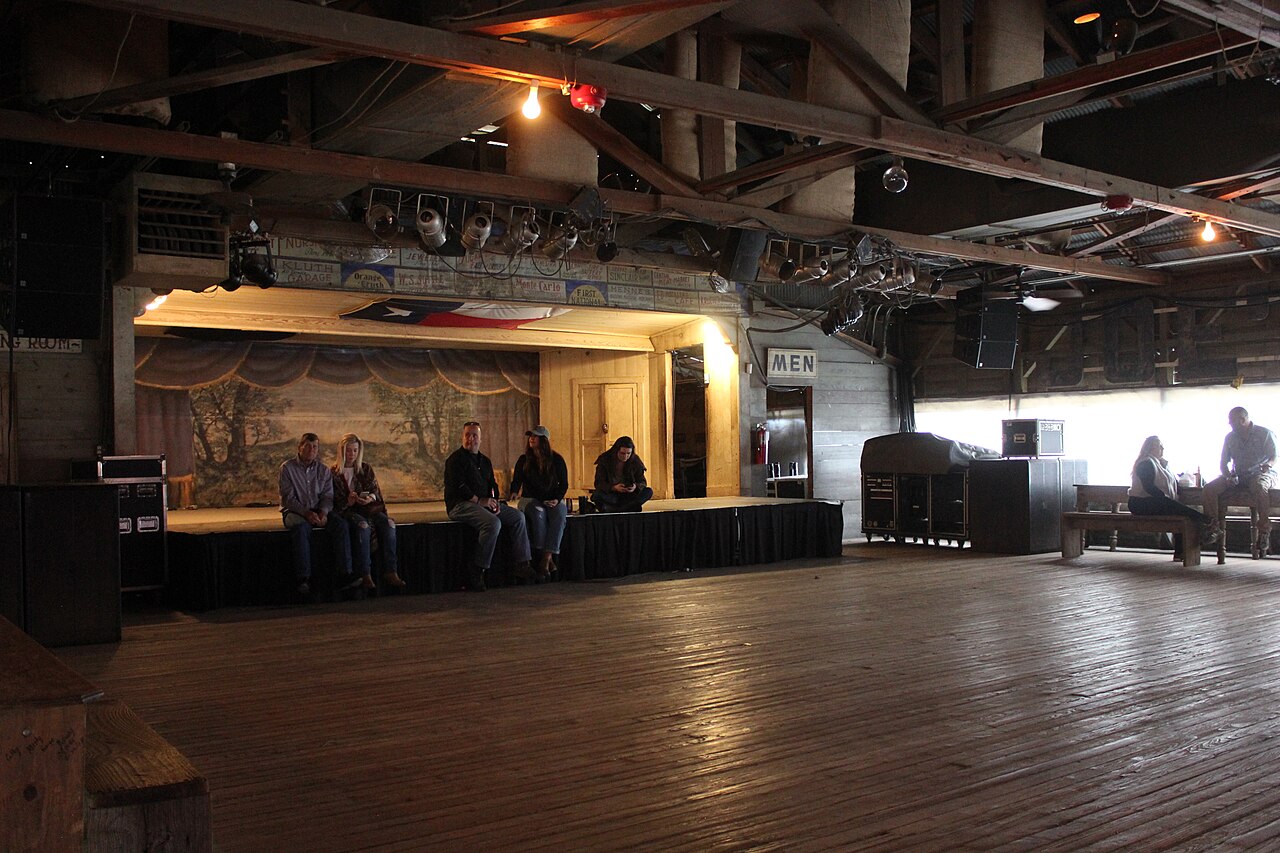
Dance halls were not merely rooms containing music. They held courtship, family gatherings, benefit events, community negotiations and the circulation of new styles. Architecture mattered: open walls, durable floors and flexible space allowed the building to serve many publics.
Gruene Hall survived by remaining useful
Many historic buildings become static exhibits. Gruene Hall remained a venue, which means preservation here is an ongoing practice rather than a frozen date. The building carries earlier commercial and agricultural context while continuing to produce new memories.
The regional music map is larger
German dance traditions, Mexican-American and Tejano performance networks, country music, blues and the Texas singer-songwriter tradition overlap without becoming one story. West End’s lost Delgado dance hall and the appearances of Lydia Mendoza show why a Gruene-only music narrative is incomplete.
Listen historically
When attending a show, notice the building, ventilation, proximity of performers and audience, and the way the district gathers around the venue. Then ask which community venues disappeared and whose musical history is less visible in preserved architecture.
Tony’s judgment: Gruene Hall deserves its stature. It becomes more important—not less—when placed inside the fuller public-life history of New Braunfels.
Preservation creates responsibility
A famous surviving hall can dominate memory so thoroughly that vanished venues disappear from the story. The task is not to diminish Gruene Hall, but to use its survival to ask what comparable spaces served Black and Mexican-American communities and why fewer of those buildings remain.
Music is evidence
Repertoire, language, instruments, touring routes and audience customs show how communities exchanged culture. Lydia Mendoza’s association with West End places New Braunfels inside a borderlands performance network much larger than the modern tourist district.
Attend as a participant, not a collector
Respect performers, staff and regular patrons. Learn the venue’s seating and photography rules, buy tickets directly when possible and allow the room to be a living social place rather than only a historic backdrop.
A hall is a social technology
Dance halls brought music, courtship, business, fundraising and public reputation under one roof. They worked because communities maintained them and because musicians could travel a circuit of towns. Gruene Hall’s survival is exceptional, but it should be read within that wider network rather than as an isolated celebrity stage.
How to experience the room
See an early show if you want to study the building and a later show if you want the crowd’s energy. Check age rules, seating, sound level and ticket conditions. The floor, ventilation and sight lines are part of the historic experience; they are not equivalent to a modern theater. If mobility or sensory load matters, contact the venue before buying.
The room teaches you how the music worked
Gruene Hall’s open sides, wood floor, simple stage and long rectangular plan are not decorative rusticity. They are a technology for gathering before air-conditioning: ventilation, visibility, a dance surface and enough flexibility for community events. The building explains why the hall could serve local social life before it became a nationally recognized music venue.
A famous stage still depends on local continuity
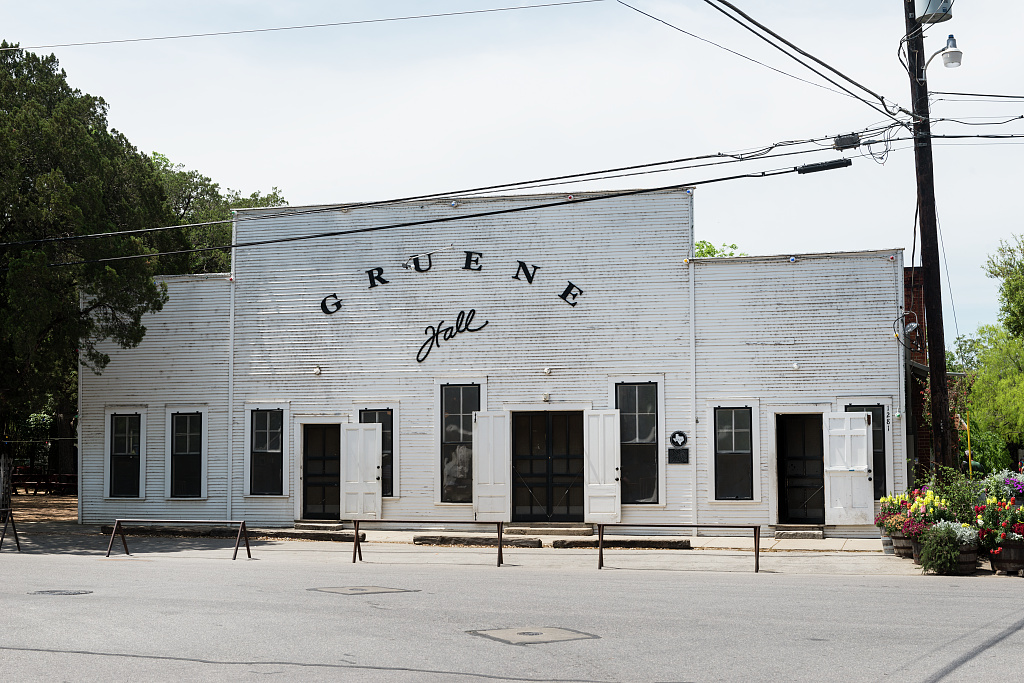
The hall’s reputation now draws major performers and visitors, but its power comes from repeated use. Music history is not only a list of artists who passed through. It is the accumulated memory of dances, first dates, community gatherings, working musicians, bartenders, ticket takers and audiences who kept the room alive between marquee nights.
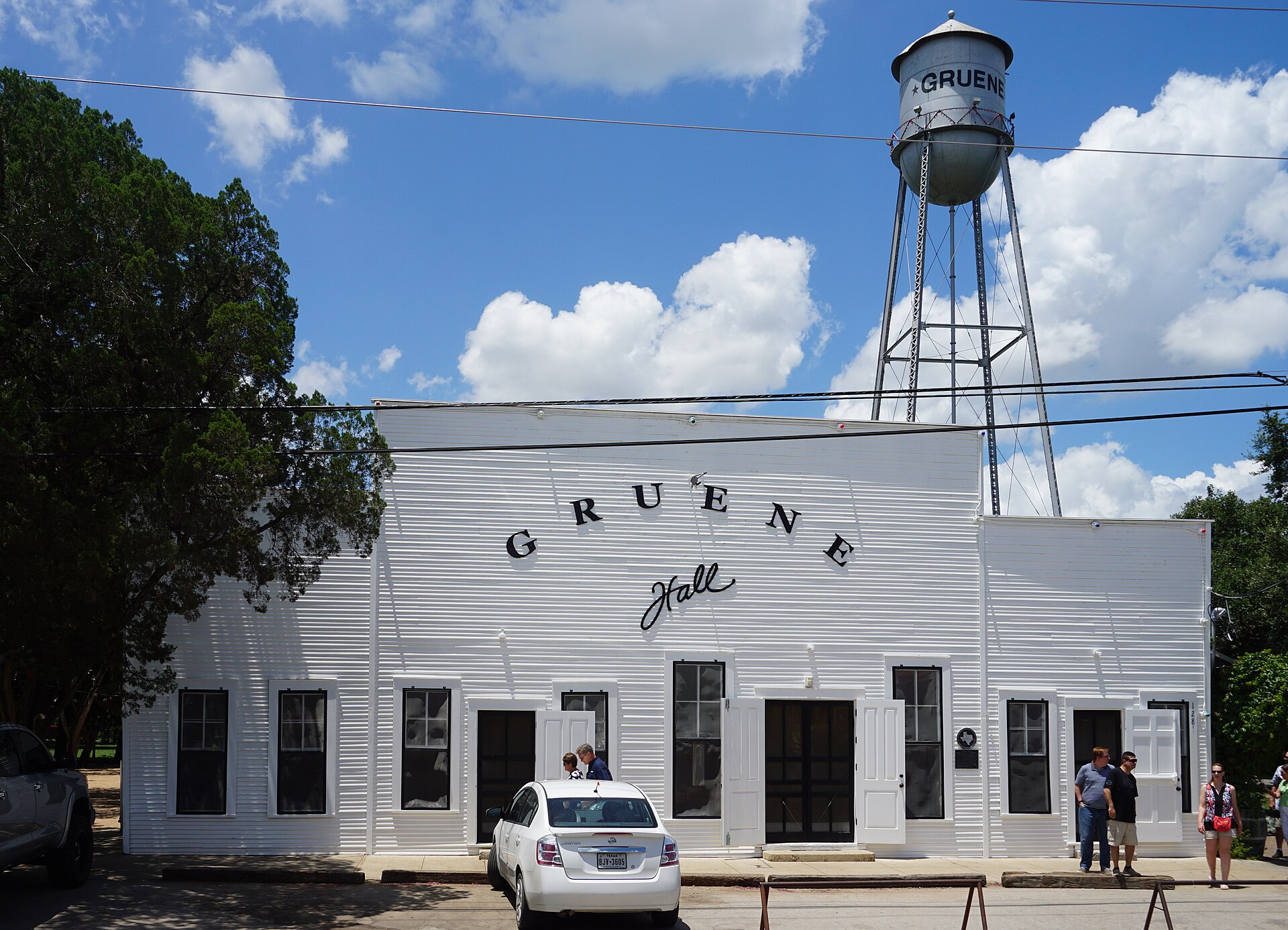
Tony’s read: Choose at least one performance because you want the music, not simply because the building is famous. Arrive early enough to notice the room before it fills. The worn floor and open walls tell as much about continuity as the names on the posters.
The hall was civic infrastructure
A dance hall gathered music, courtship, business, fundraising and reputation under one roof. It depended on local organizations, musicians able to travel a regional circuit and families willing to maintain a public room. The building was not merely a stage with old boards; it was a technology for making community.
Gruene Hall survives because it continued to be used and later became a powerful heritage venue. Its fame should not isolate it from the network of halls, clubs, theaters and informal spaces where German, Mexican American, Black and Anglo musical traditions met. Regional music was produced through exchange, not through a sealed ethnic container.
Listen to the room
Ventilation, floor, sight lines and proximity between performer and audience shape the sound and behavior. An early show reveals the building; a late show reveals crowd energy. Visitors needing seating, lower sound exposure or easier circulation should contact the venue before buying. Historic authenticity does not excuse inaccessible or unsafe assumptions.
Why I make that choice
These rooms are living social institutions, not antiques. A free afternoon set may teach you more about the place than an expensive show by an artist you never wanted to hear.
A route with a fallback
Realistic timeOne performance plus 60 minutes of context
Field methodChoose the show by genre and crowd, then notice how the room functions
FallbackUse a daytime set or exterior history when tickets, age rules or noise do not fit
Open the field map · Follow the whole-story route · Find a current public program
Sources & further reading
Tony’s Guide separates documented history from interpretation. If you spot an error or know of a primary source we should examine, send a correction.