Walk the district, hear one set and choose one meal
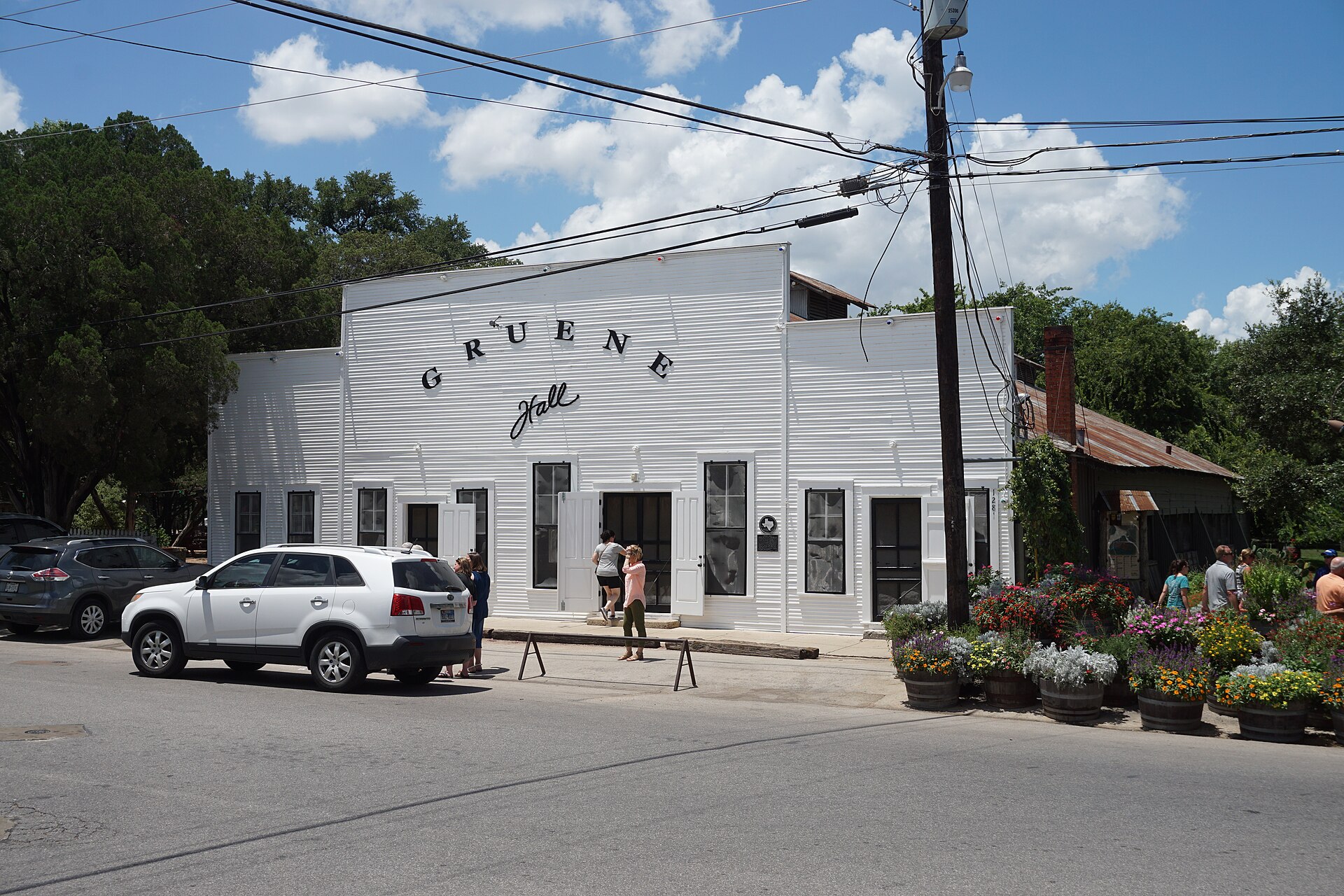
Gruene is compact enough to walk and famous enough to disappoint people who expect an undiscovered village. It works best when you stop asking it to be secret.
Tony’s call: Give Gruene a deliberate half-day and an unhurried evening. The point is not to collect every storefront; it is to understand why the mercantile, gin, river and dance hall belong together.
A sequence that actually works.
Begin with water or walking in the cooler hours. Arrive in Gruene before the late-afternoon rush, read the mercantile, gin and hall as parts of one cotton economy, then stop scheduling. Leave room for a drink, one shop that matters or a river overlook before the evening performance.
Read the buildings as evidence.
The surviving buildings feel timeless, but their survival reflects reinvention. Ask what each building did, whose labor sustained the cotton economy and how music became the modern anchor.
What is genuinely worth your time.
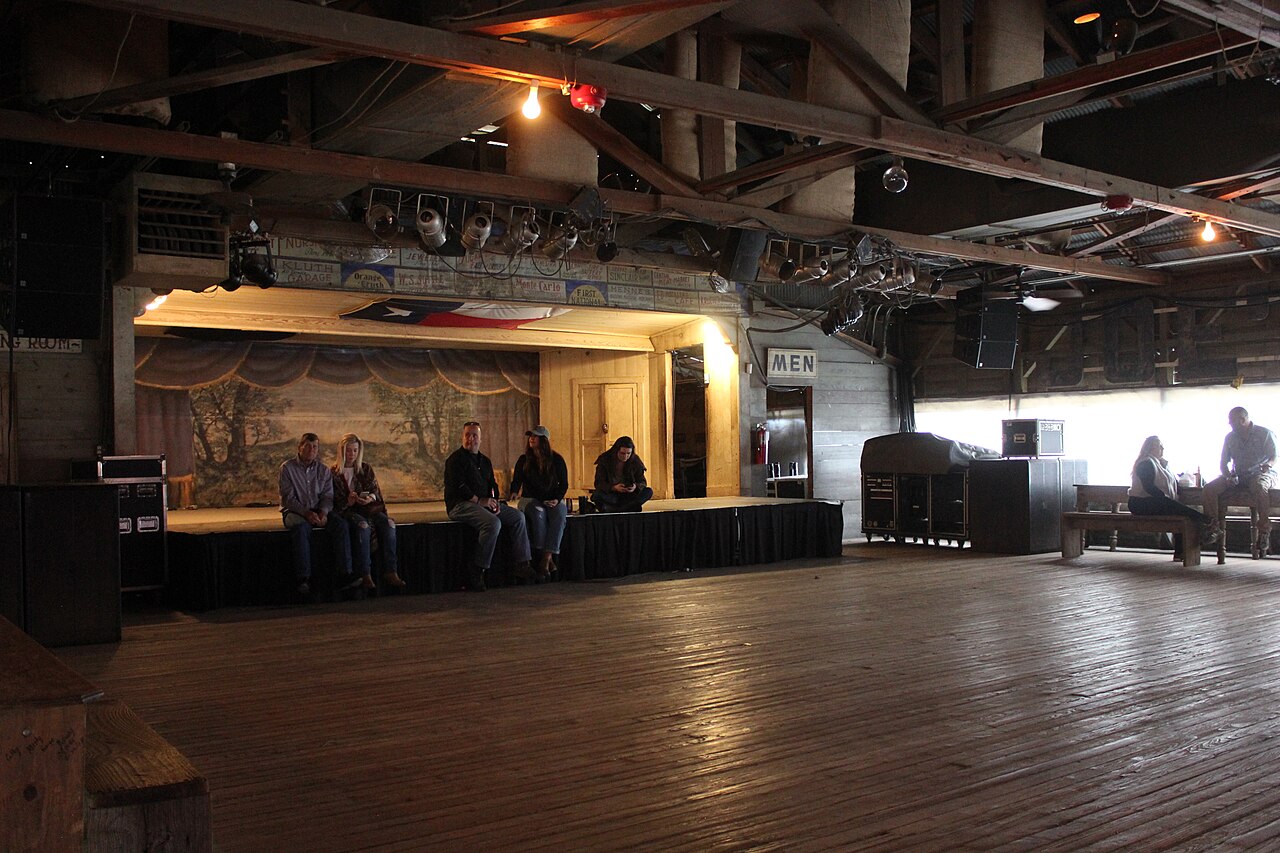
Hear live music. Walk the historic district slowly enough to read the buildings. Get to the Guadalupe. Then use the cotton-history guide to understand why this settlement existed in the first place.
What to skip.
Do not spend an entire day shopping unless shopping is the point of the trip. Gruene is strongest when paired with river time, New Braunfels or a deliberate music night.
Read Gruene as a working landscape
The district makes more sense when the hall, mercantile buildings and former cotton gin are understood together. This was an agricultural-commercial complex before it became a leisure district. Preservation saved buildings, but tourism changed their meaning and who performed labor within them.
Use one walk to connect the pieces
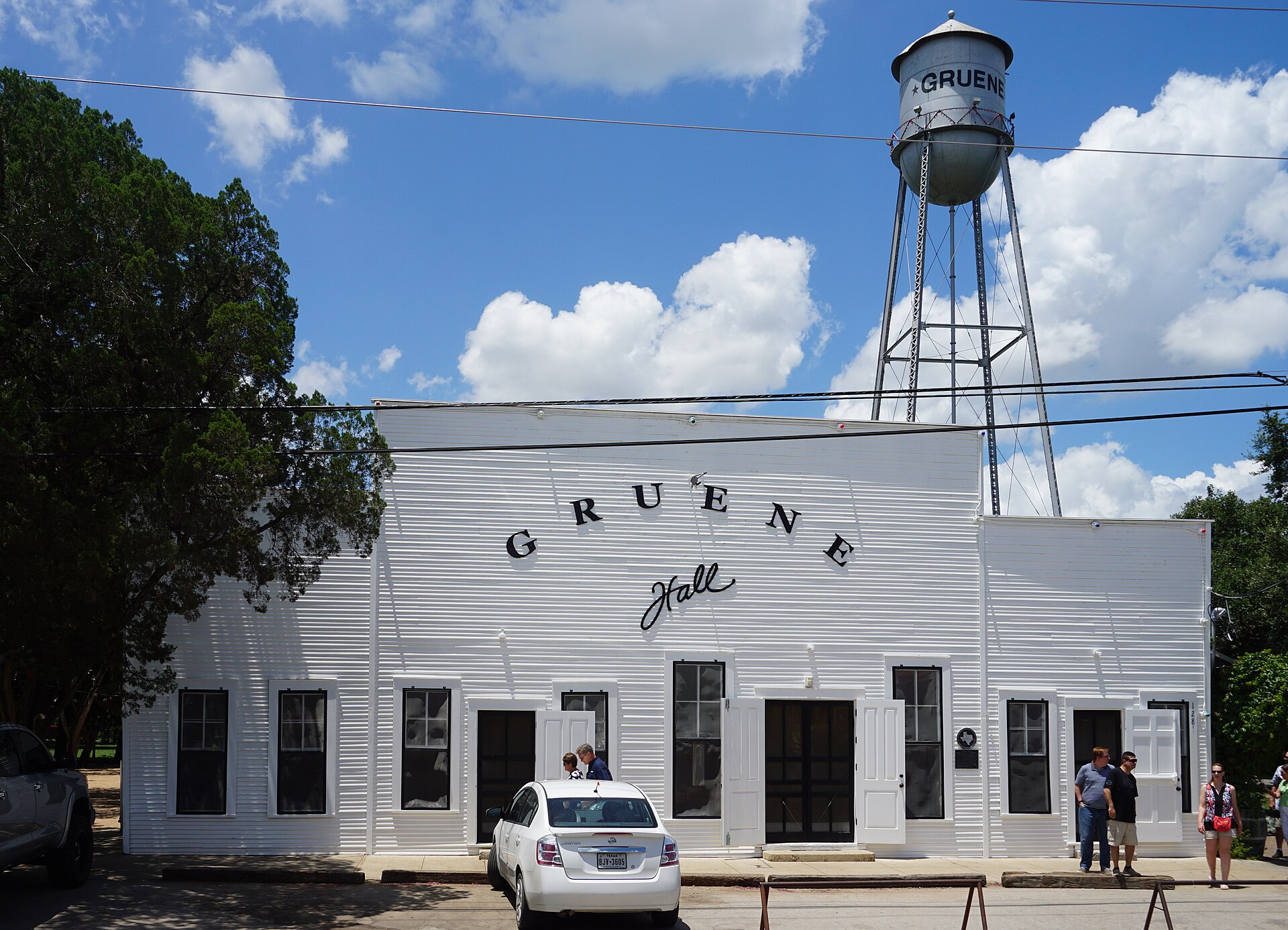
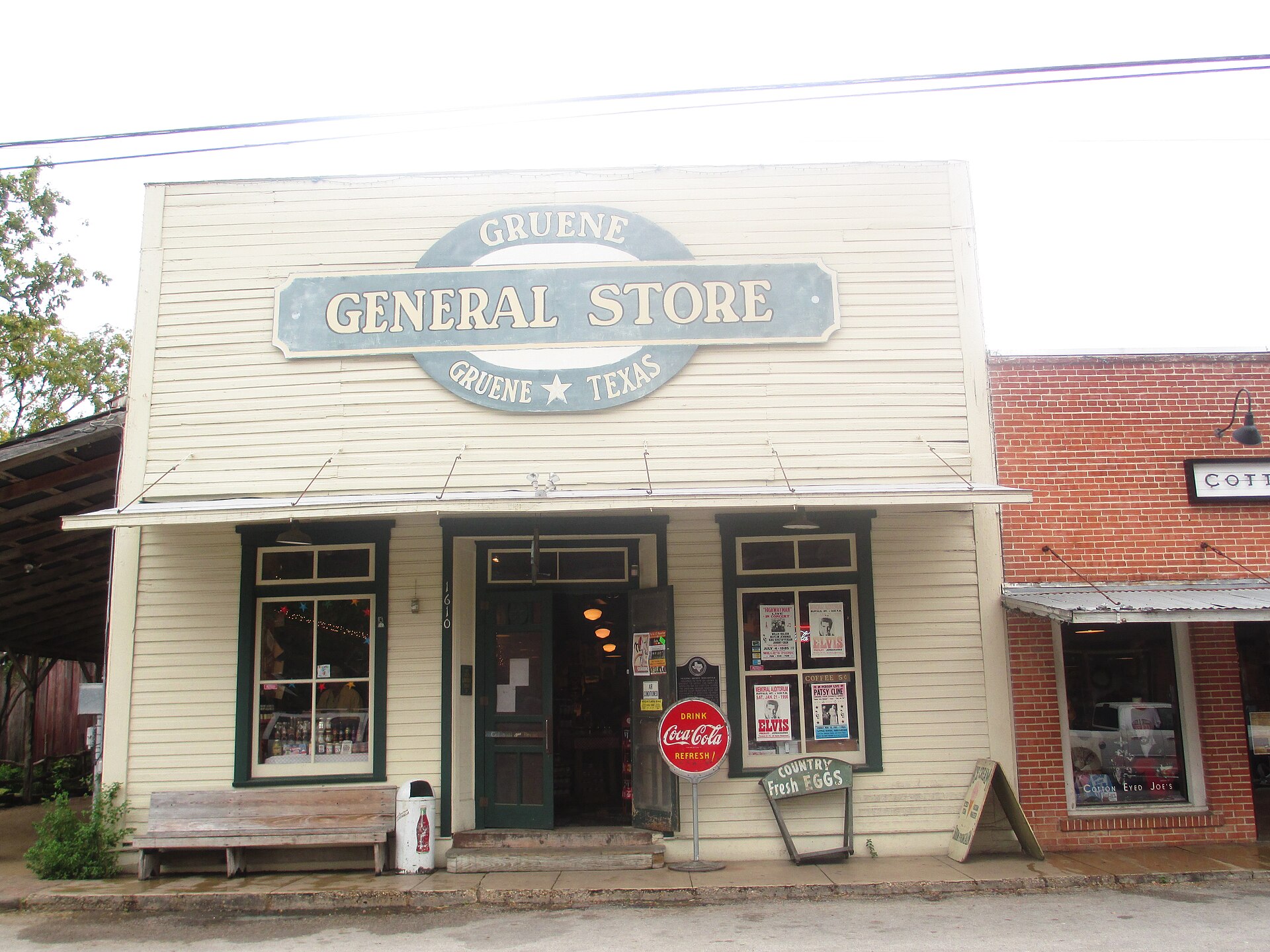
Start near Gruene Hall, look outward to the commercial core, then move toward the Gristmill/cotton-gin landscape and the river edge. The goal is not distance. It is seeing how commerce, processing, entertainment and transportation occupied one compact settlement.
Time the visit
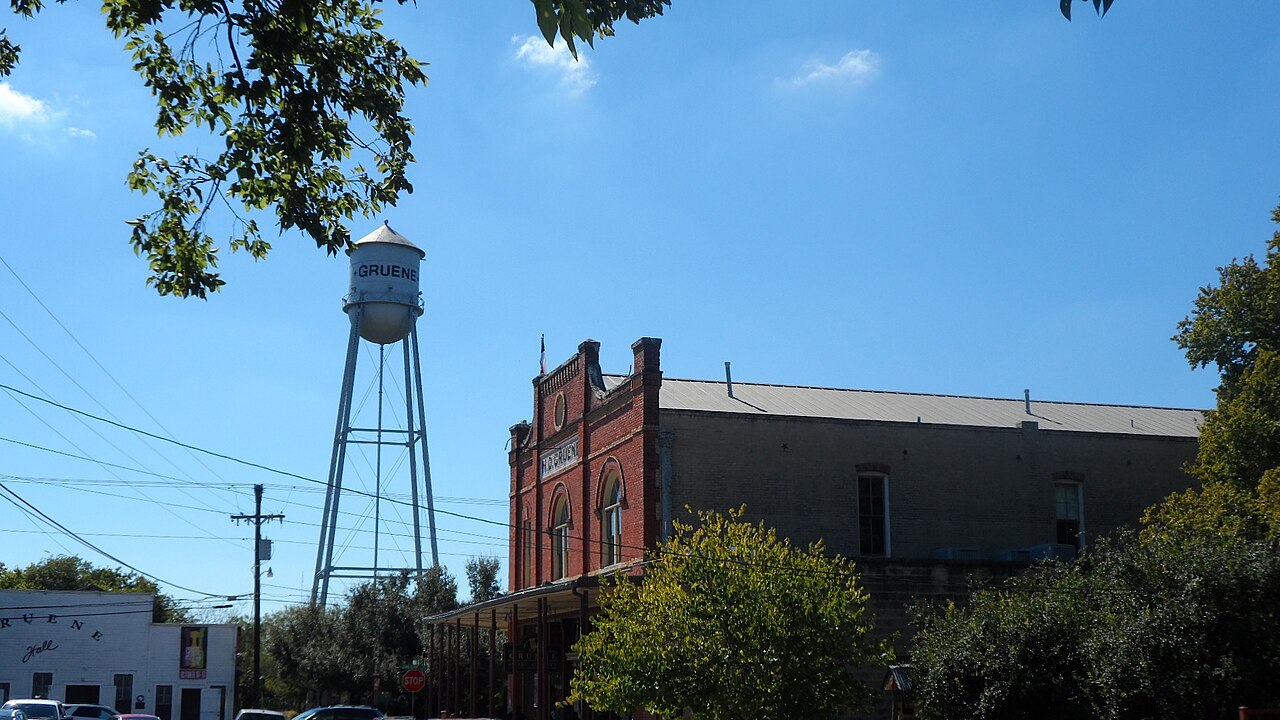
Early morning gives the clearest architectural read. Late afternoon supports dining and shopping. Evening belongs to music. Trying to experience all three moods during peak weekend congestion makes the district feel shallower than it is.
What to avoid
- Calling the district timeless; it changed repeatedly.
- Treating cotton wealth without asking who labored.
- Parking repeatedly when one walk will do.
- Assuming every historic threshold or surface is accessible.
Tony’s judgment: Gruene is the doorway to this guide, not the whole region. Enjoy the atmosphere, then use it to ask better questions.
What preservation makes easy to miss
Attractive old buildings encourage visitors to imagine continuity, but Gruene experienced economic decline, adaptive reuse and reinvention. The district is historic because change was managed, not because time stopped. Ask what functions were lost when agricultural buildings became restaurants and shops.
Spend money with attention
Shopping and dining are part of the modern district, but they need not replace observation. Choose fewer stops, notice locally rooted businesses and let a performance or meal carry the visit. The goal is not to consume every storefront.
Three versions of Gruene
One hour: walk the historic core and read the gin, hall, store and river as one cotton-era system. Half day: add a meal and time along the river. Evening: arrive before peak parking pressure, eat with a firm cutoff and protect the show. Shopping can fill gaps; it should not substitute for understanding the district.
Who should skip peak Saturday
Visitors seeking quiet, easy mobility, spontaneous restaurant seating or unhurried photography will get a truer experience on a weekday morning. Peak energy is valuable when the crowd is part of the attraction. Otherwise it can obscure the architecture and working relationships that make Gruene worth visiting.
Read Gruene as one working system
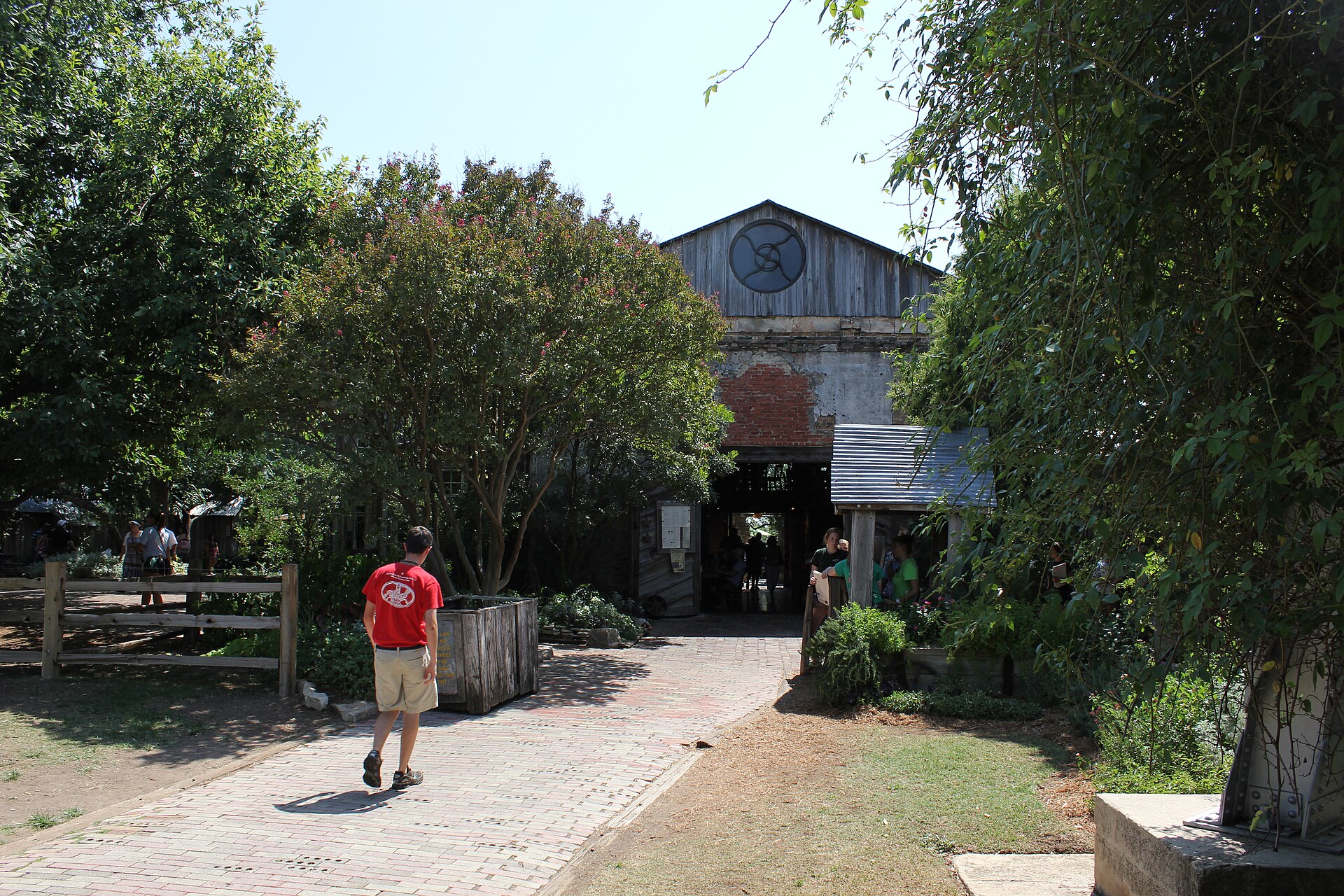
The district becomes more meaningful when the surviving buildings are read together. The store supplied households and agricultural activity. Cotton moved through the gin complex. The hall provided a public room for music, meetings and social life. The river supplied landscape, access and power. Modern restaurants, shops and performances occupy that inherited structure, but the relationships among labor, commerce and community remain visible.
This is why a quick shopping loop can miss Gruene. Start outside the busiest hour. Look at the distance among the hall, water tower, store and gin. Ask who worked in each place, who owned the crop, how goods moved and who was welcome in public spaces. The postcard gains depth without losing its pleasure.
Restoration is part of the story
Gruene’s survival was not inevitable. By the later twentieth century, preservation and adaptive reuse changed an agricultural settlement into a heritage and entertainment district. That saved important buildings and created economic life, while also selecting which stories became visible. Visitors should appreciate the restoration and still ask what is absent—tenant labor, Black and Mexican American work, domestic life and the wider cotton landscape.
Use the district at the right hour
Weekday mornings reveal buildings and river edges. Late afternoon brings restaurants and arriving music crowds. Ticketed evenings reveal the hall as a living venue rather than an artifact. Peak Saturday offers energy but less space for study. Decide which Gruene you want before choosing the time.
The river belongs in the district story
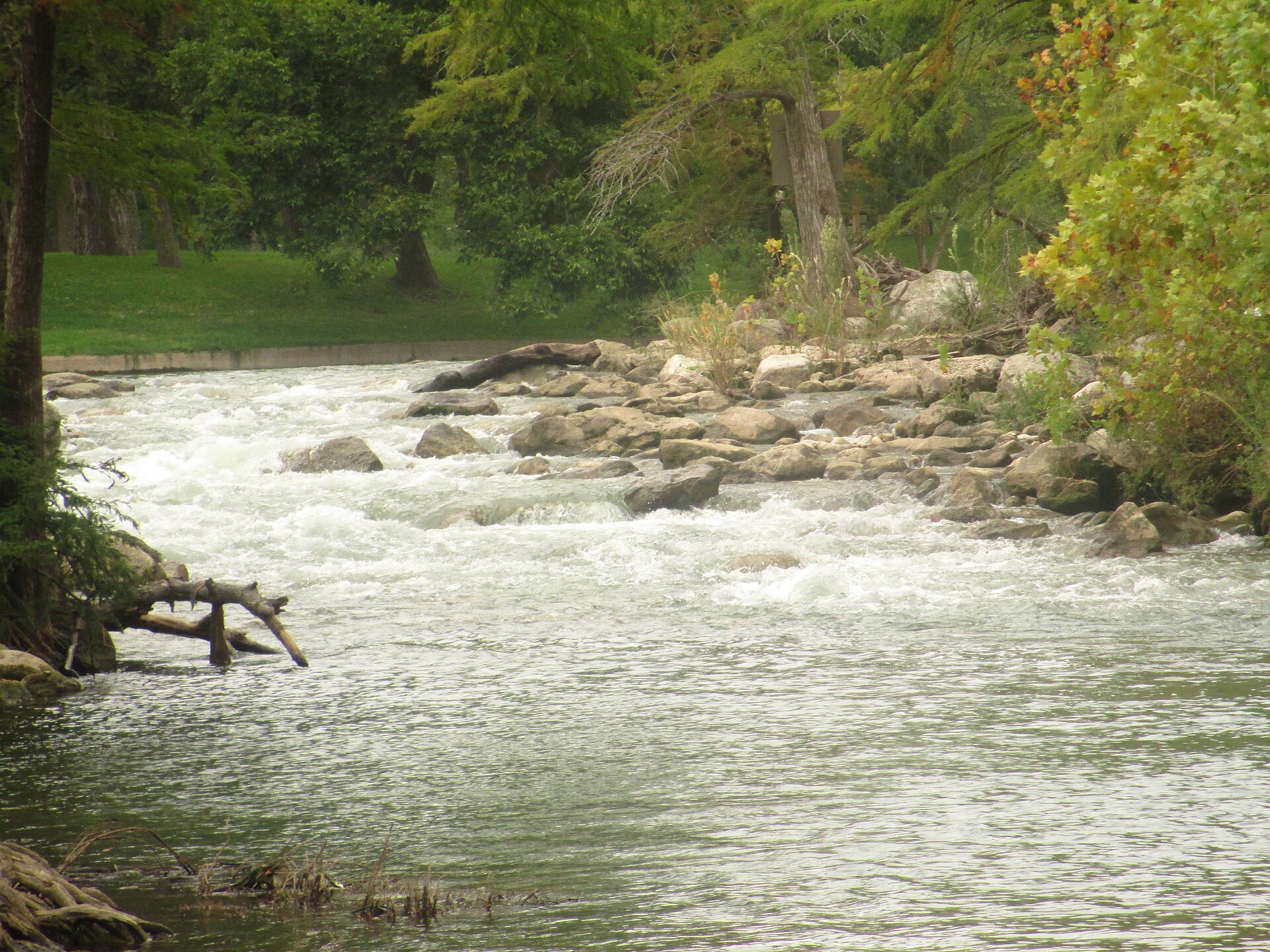
The Guadalupe is not merely scenery behind restaurants. It shaped industry, access, flood risk and the location’s long appeal. Walk toward the river only on lawful public or business access, notice the elevation change and connect the water to the gin and later visitor economy. After rain, treat banks and low areas cautiously even when the commercial district appears normal.
Why I make that choice
It is a real historic place, not a theme park, and not every shop, meal or wait is automatically worthwhile because the address says Gruene.
Plan the experience
Essential, full and fallback
Realistic time3–6 hours
Cost postureWalking is free; food, shopping and ticketed music vary
Access realityHistoric buildings can have steps, crowds and uneven surfaces
Open the field map · Check current events · Check lake, river and weather conditions
ON THE GROUND · A DISTRICT YOU CAN USE
A day in Gruene, block by block
Begin around Gruene Hall and the water tower, then walk the historic commercial core. The buildings are close together; the river, outfitter, and parking edges take a little more intention. This is a small district with several different moods, not a single attraction.
Morning · browse and notice
Start with the General Store and the historic mercantile buildings, then browse independent boutiques and gifts along the main streets. Shop lineups change; use the district directory for current tenants and hours. Look up at the old building fabric between storefronts.
Midday · the river decision
Walk toward the Guadalupe or book a float with Rockin’ R, which has a Gruene location and offers river trips. The precise route, shuttle and conditions matter. Check current gauges; choose a scenic look from a legal access point if entering the river is unwise.
Late afternoon · food and a glass
Make a reservation or check the line at Gristmill, or compare smaller dining choices such as Mozie’s and nearby New Braunfels. For wine, use the tasting rooms and wine bars in the district as a seated break; verify the current operator and hours before making a specific tasting the anchor.
Evening · choose the room
Gruene Hall’s calendar determines whether your night is a casual set or a ticketed performance. The surrounding bars and patios have a different feel. Pick the event first, then arrange dinner and parking around its start time. Put an event in your plan →
Go beyond the postcard
Gruene sits within New Braunfels, not apart from it. Downtown’s civic streets, Landa Park and Comal Springs, and the West End’s Tejano history add essential context to the cotton and dance-hall story. Use the mapped Whole Story Route for an ordered drive with respectful stops, or the field map to locate each place. Keep residential streets as neighborhoods rather than parking shortcuts.
For a second day, choose one real change of scene: the spring-fed Comal, a different Guadalupe reach, or Canyon Lake. Those are distinct experiences with different access rules.
Sources & further reading
Tony’s Guide separates documented history from interpretation. If you spot an error or know of a primary source we should examine, send a correction.