One verified accessible anchor plus an easy meal
Accessibility here cannot be reduced to a wheelchair symbol beside a business name. The useful questions concern slope from parking, surface, thresholds, restrooms, heat exposure and whether a river or lake “view” requires crossing rough ground.
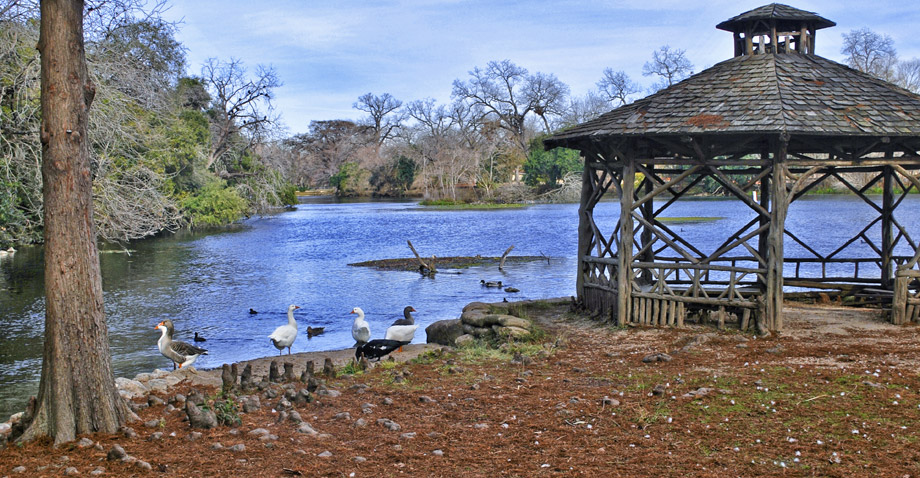
Tony’s call: Build the day around one place with dependable paved access, then treat historic districts and shorelines as optional additions—not assumptions.
Start with Landa Park
Landa Park is the most adaptable orientation point. Paved drives, multiple activity areas and short experiences let a group choose what works without committing to a long route. Accessibility varies by facility and construction can alter paths, so confirm the specific attraction or pavilion.
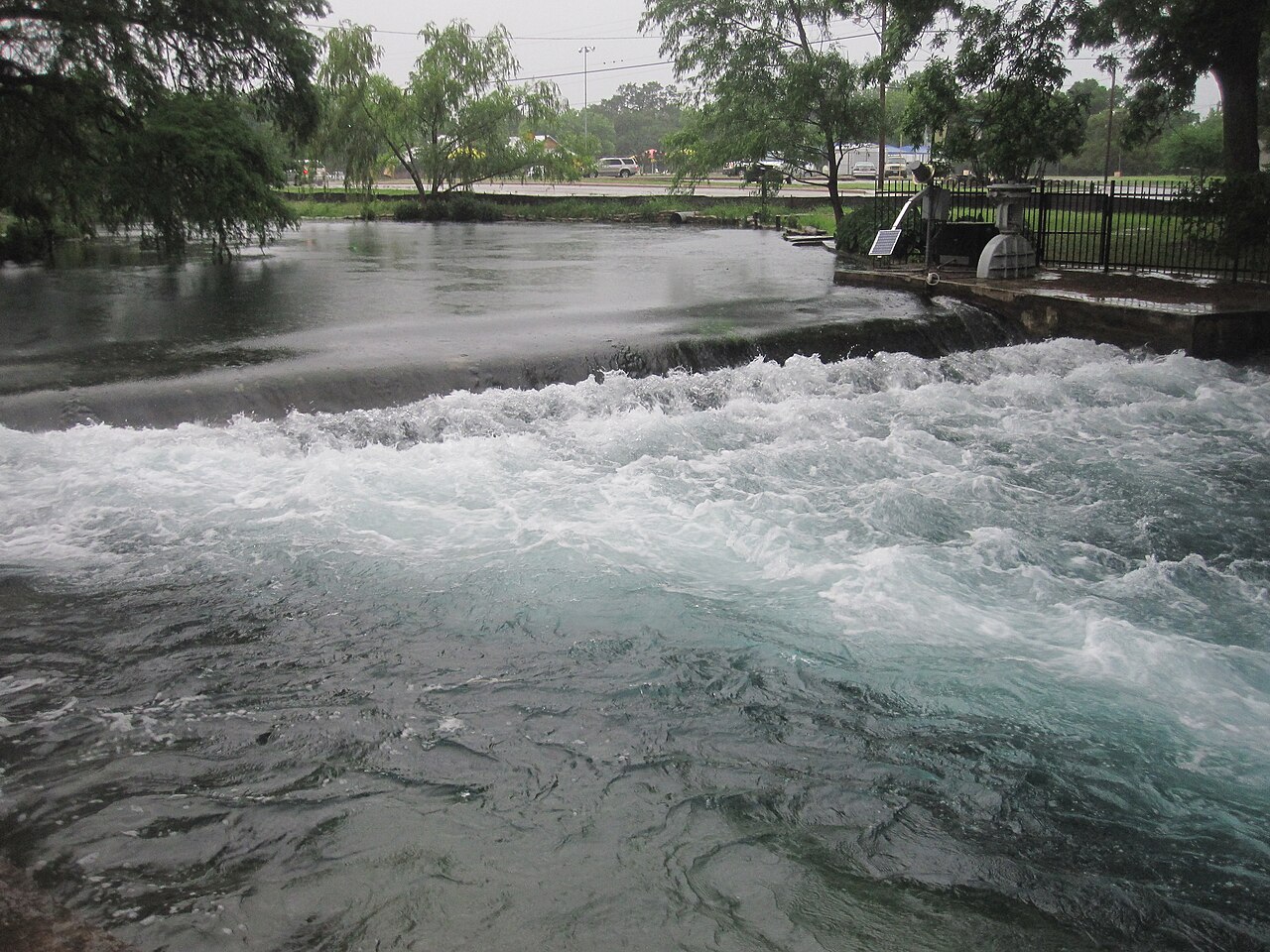
Understand Gruene’s tradeoffs
Gruene is compact, but historic: uneven outdoor surfaces, changing grades, older thresholds and crowded circulation. Arrive early, identify the closest suitable parking and call the specific restaurant or venue about entrances and seating.
Gruene Hall is a living historic venue, not a modern auditorium. Anyone needing step-free entry, reserved seating, a verified restroom route or low-crowd arrival should contact the hall before buying tickets.
Downtown is not one accessibility condition
Main Plaza and civic areas are compact, but individual businesses occupy buildings of different ages. Treat each stop separately. Museums and larger public facilities are generally easier to verify than small historic storefronts.
Water access requires direct confirmation
Tubing involves moving water, slippery entries, transfers and uncertain exits. Ask about parking, check-in, shuttle, water entry, exit and restrooms. An accessible bus does not make the river entry accessible.
Canyon Lake parks and ramps have different operators. Paved parking does not guarantee a continuous route to the shoreline. Fishing piers, overlooks and developed picnic areas may work better than informal access, but closures and water levels change conditions.
Questions worth asking
- Is the route step-free from designated parking to the actual activity?
- Is the surface concrete, gravel, grass, rock or sand?
- Are accessible restrooms open that day?
- Is seating reserved, removable or first-come?
- How long and how shaded is the route?
- Can mobility equipment use the shuttle or boat?
- Who can help if the advertised route is blocked?
A lower-friction day
Begin at Landa Park or a verified museum, choose lunch at a restaurant that confirms parking and entry, then use the field map for one optional scenic or historic stop. Avoid stacking several unverified old buildings into one itinerary.
Sensory and cognitive access matter too
Live music, biergartens and summer crowds can be loud and visually intense. Ask venues about quieter arrival times, outdoor waiting, seating location and re-entry. Travelers who benefit from predictability should know the parking, entrance, restroom and exit sequence before arrival.
Heat can turn a manageable route into a barrier
Shade, rest points and distance from parking are accessibility information. Schedule exposed routes early, keep the vehicle available and do not allow a group’s enthusiasm to overrule the person who understands their own limits.
Access depends on the exact stop
Main Plaza offers short distances but includes curb transitions and busy crossings. Landa Park has paved areas, shade and restrooms, yet distances between features can be longer than they appear. Gruene’s historic surfaces, slopes and crowded interiors vary building by building. Canyon Lake overlooks may provide a view without providing comfortable water access. Call the specific venue when a transfer, companion seat, service-animal arrangement or step-free entrance will decide the visit.
Sensory and fatigue planning
Gruene Hall, festival grounds and summer river parks can be loud, crowded and hot. Earlier hours usually mean easier parking, lower sound levels and more recovery options. Build a seated, air-conditioned stop into the middle of the day and keep the car close enough that leaving early remains an easy decision.
Accessibility is a chain, not a label
A trip is accessible only when the whole sequence works: parking, path, entrance, restroom, seating, activity and return. A venue may have an accessible entrance while the nearest parking lies across a busy street. A lake park may have a paved lot but no continuous firm route to the water. An outfitter may operate an accessible shuttle while the put-in requires a steep, slippery transfer. Ask about the weakest link in the chain, not merely whether the property uses the word “accessible.”
Landa Park is the region’s most adaptable starting point because a group can shorten the day without abandoning it. The park includes paved areas, shade, restrooms and several experiences within one broad landscape. But distances are real, facilities change and construction can interrupt the expected route. The city’s information and a direct call should be treated as planning tools, especially when a restroom, transfer or drop-off location will determine whether the outing works.
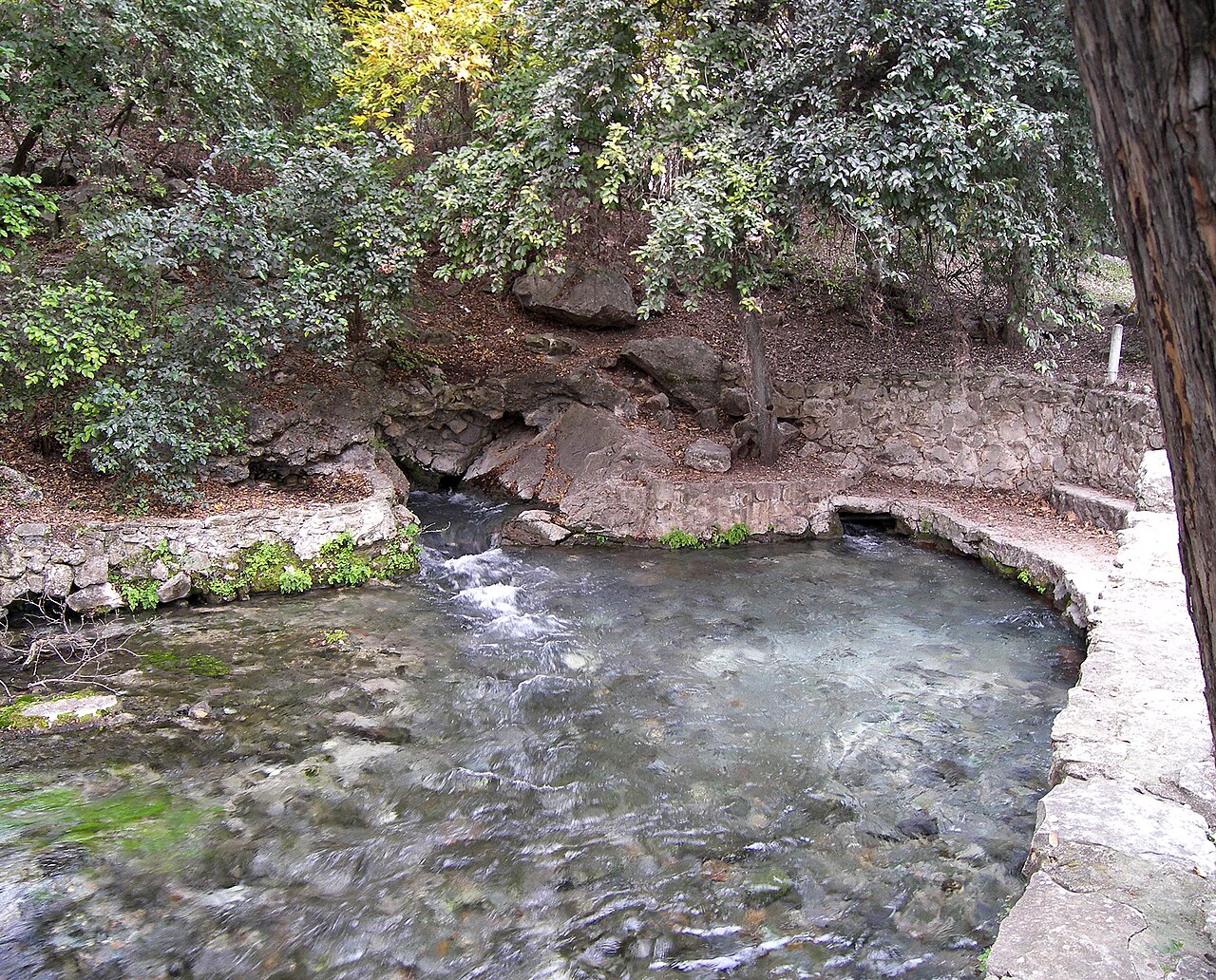
Historic character creates predictable barriers
Gruene’s compactness helps, but its historic buildings were not designed around modern access standards. Uneven grades, older thresholds, crowded rooms and loose outdoor surfaces vary from one property to the next. Gruene Hall is a working historic music venue, not a modern auditorium; seating, sound level, restroom routes and crowd density should be confirmed before tickets are purchased. In downtown New Braunfels, the public realm and individual storefronts may present very different conditions even on the same block.
Heat and sensory load are physical access issues. A route manageable at 9 a.m. may become punishing by midafternoon. Live music, festivals and river crowds can make communication and navigation harder. Build the day around early arrival, a reliable seated indoor break and an easy exit. The person using the accommodation should control the pace; the itinerary should never require them to argue for rest.
A practical verification call
Ask specific questions: “Is there a step-free route from the designated space to the room?” “What is the surface?” “How far is it?” “Is the accessible restroom open during my visit?” “Can a mobility device board the shuttle?” “Can we reserve a companion seat?” Staff can answer concrete questions more reliably than a general request for reassurance. Record the name of the facility—not the person—and keep a fallback nearby.
Why I make that choice
I will not call a place accessible because it has one ramp or an optimistic website sentence. If a venue cannot answer direct questions about surfaces, restrooms, seating and transfers, I would choose somewhere that can.
Plan the experience
Essential, full and fallback
Realistic timeHalf day to a full weekend
Cost postureVaries by chosen stops
Access realityConfirm surfaces, restrooms, seating and transfers directly
Open the field map · Check current events · Check lake, river and weather conditions
Verification resources
Conditions change. This guide identifies planning questions; it does not guarantee accessibility at an individual property.