One physical activity, one easy meal and recovery time
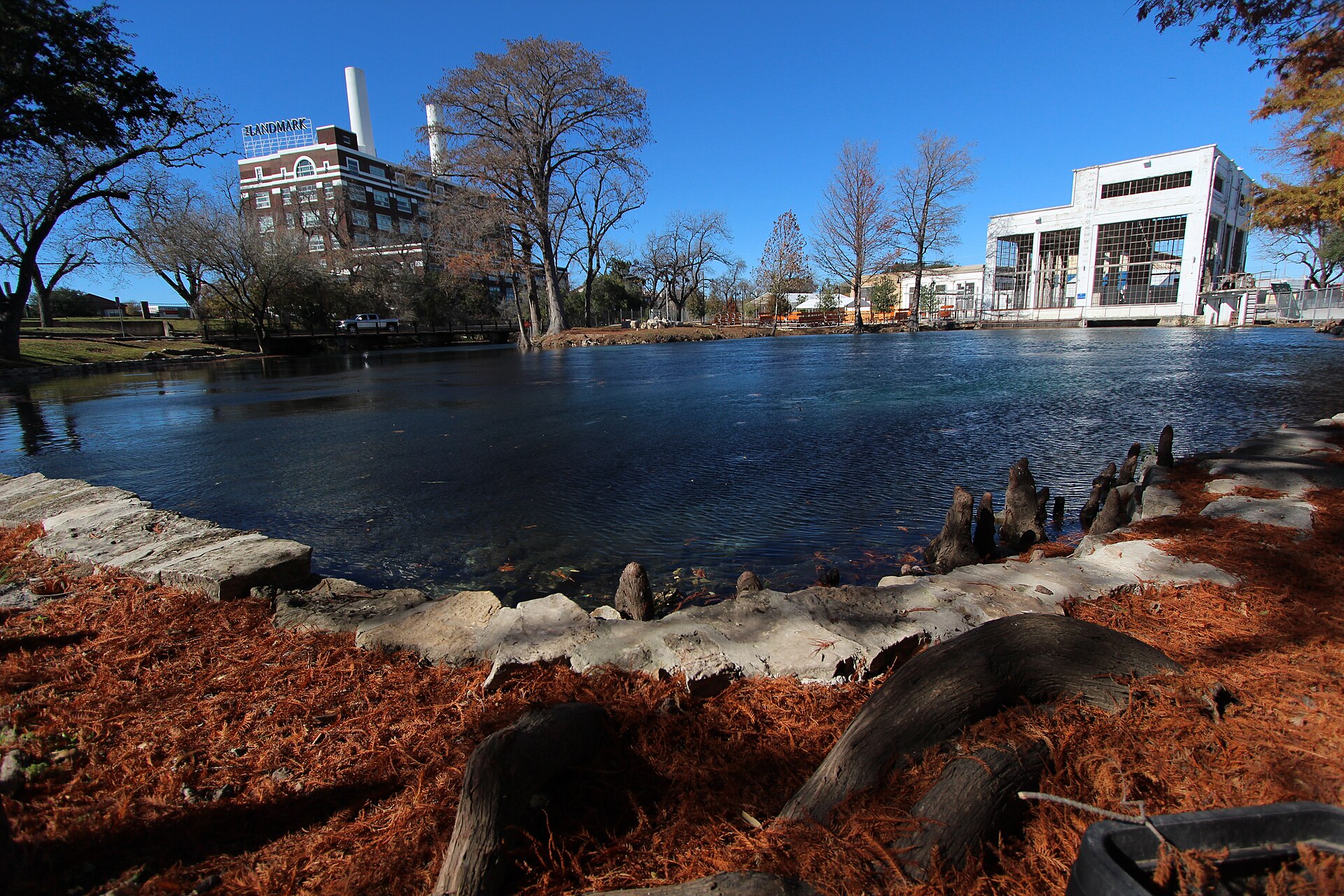
A successful family day here is rarely the day with the most stops. Heat, water, parking and transitions matter more than a long attraction list. Pick one anchor that matches the youngest traveler, then protect time for food, shade and a change of clothes.
Tony’s call: Landa Park is the most dependable first anchor. It combines space, shade, play and the Comal landscape without requiring every person to want the same activity.
Choose by age and energy
Younger children
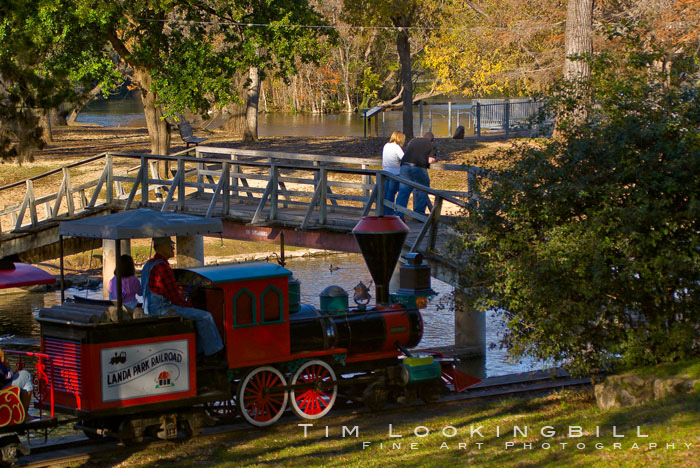
Landa Park works when the weather is comfortable and the family needs room to move. Playgrounds, picnic areas and short walks make it easy to adjust without returning to the car. McKenna Children’s Museum is better for sustained heat, rain or children who need a contained hands-on environment.
School-age children
The Comal can look gentle and still require preparation. Use an established outfitter, understand the route and exit, and read current city rules. A child who is technically old enough may still dislike cold water, crowds or an extended float. A properly fitted life jacket is basic planning.
Mixed ages
Pair one active morning block with a calm afternoon in Gruene or downtown New Braunfels. Do not ask a preschooler, teenager and grandparent to share the same pace for ten uninterrupted hours.
Schlitterbahn is a full-day decision
Schlitterbahn Waterpark & Resort is one of New Braunfels’ defining family attractions. When the waterpark is operating, build the day around it. Its East and West areas, queues, water rides and time in the sun make it a poor add-on after a park morning. Check the official calendar and tickets, the park map and the rules for your group before leaving. A river float is a separate outing with different access and safety decisions. See the major-attractions guide for Schlitterbahn, the Natural Bridge corridor, wildlife and museums.
Gruene is atmosphere, not a theme park
The reward is its relationship among old buildings, music, food and the river landscape. Go early, park once and give children a purpose: choose a treat, hear a short music set or notice how mercantile and cotton-era buildings were reused. A compact stroller handles crowds and historic surfaces better than a large wagon.
Canyon Lake requires an exact destination
“Take the children to Canyon Lake” is not a complete plan. Choose a specific park or swim area, verify that it is open, and confirm whether its beach and facilities are available to day users. Potters Creek’s designated swim beach is reserved for registered campers; Comal Park and Canyon Park have separate operators and conditions.
Heat and water change the schedule
- Begin outdoor activity early and move lunch before peak heat.
- Bring more water than expected, sun protection and secure shoes.
- Pack towels and complete dry clothing separately.
- Never treat moving water or unfenced shoreline as passive scenery.
- Check flow, lake access, bacteria notices and weather that morning.
Three useful family patterns
Easy day: Landa Park, lunch downtown, early return.
Water day: one verified swim or float, recovery time, simple dinner.
Culture day: McKenna or Sophienburg, a short Gruene walk, then early live music only if the venue fits the children.
Plan the transitions
Most family-day failures happen between attractions: searching for parking with hungry children, changing wet clothes in an unsuitable place, or discovering that dinner requires another forty-minute wait. Decide where the clothing change happens, where food fits and when the group returns to its base.
Let children notice the place
Ask one simple question at each stop: Where does the water come from? What was this old building used for? Why is the lake here? A family guide should do more than occupy children; it should give them a way to understand where they are.
Plan around attention, temperature and recovery
Landa Park works because families can shorten or expand the visit without declaring defeat. Pair it with one small, focused attraction such as the Railroad Museum. Save major-ticket experiences such as Natural Bridge Caverns for a separate anchor day. In summer, move active outdoor time before lunch and use the hottest hours for food, rest or an indoor stop.
Family safety is logistical
Assign one adult to keys, dry clothes and the take-out plan before entering water. Put the meeting point in words children understand. Never assume every family member exits at the same place or that cell service will solve separation. A simpler water plan is usually the better family plan.
Design the day around recovery
Family itineraries fail less often from a lack of attractions than from a lack of recovery time. Heat, cold spring water, walking, waiting and unfamiliar food accumulate. One major activity in the morning, a real meal and a flexible afternoon will usually produce better memories than three ticketed stops. Landa Park is especially valuable because a family can move among playgrounds, water, shade and short walks without treating every change of plan as a defeat.
For younger children, the McKenna Children’s Museum provides a dependable indoor anchor. The Railroad Museum works as a smaller downtown stop rather than an all-day destination. Natural Bridge Caverns can carry a full half-day when the chosen tour matches the child’s stamina. Canyon Lake works best when the family selects one developed park and knows exactly what amenities will be open.
Water safety begins in the parking lot
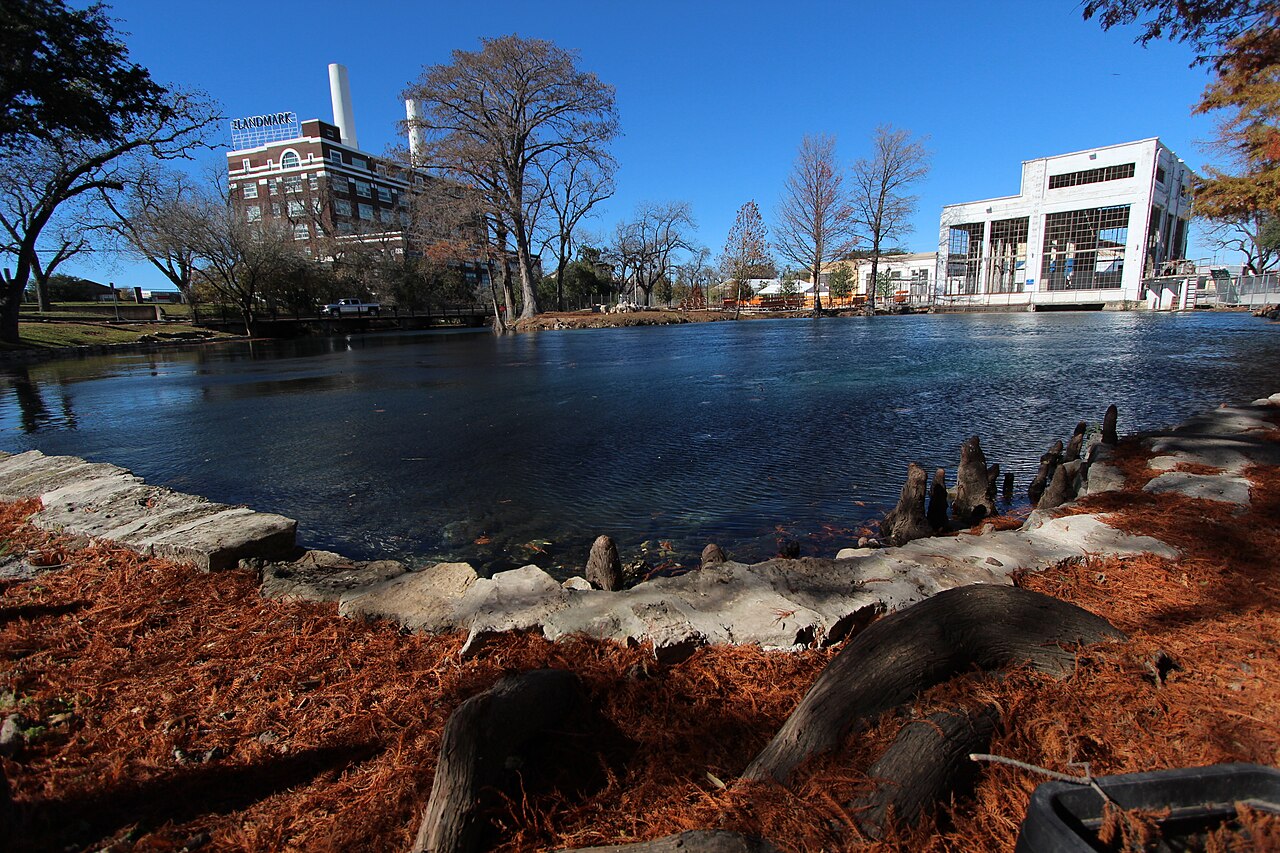
Before entering a river, assign one adult to keys, medication, dry clothes and the exit plan. Put life jackets on before the bank becomes crowded. Explain the meeting point in language a child can repeat. The Comal is compact but can be crowded; the Guadalupe changes by section and flow; Canyon Lake introduces wind, open water and boat traffic. A flotation toy is not a life jacket, and a confident pool swimmer may respond differently to cold moving water.
Families should also decide in advance what ends the activity: lightning, a frightened child, a missed exit, rising wind or an exhausted adult. Leaving early is not failure. The adult who notices the problem first should not have to win an argument against the itinerary.
Give children a story, not just stimulation
At Main Plaza, ask why the streets circle the civic center. In Gruene, point out the relationship among the store, cotton gin, hall and river. At Canyon Dam, explain that people built the lake for flood control and water conservation. Children remember places when they can connect what they see to a question. One good question at each stop creates more durable learning than a stream of disconnected facts.
Why I make that choice
One physical adventure, one forgiving meal and actual recovery time is enough. I would cut the late-night add-on before I let a good day end in exhaustion and resentment.
Plan the experience
Essential, full and fallback
Realistic time3–7 hours
Cost postureLow to moderate; ticketed attractions increase the total
Access realityPlan for shade, restrooms, naps and the least mobile child
Open the field map · Check current events · Check lake, river and weather conditions