Gruene plus one river landscape
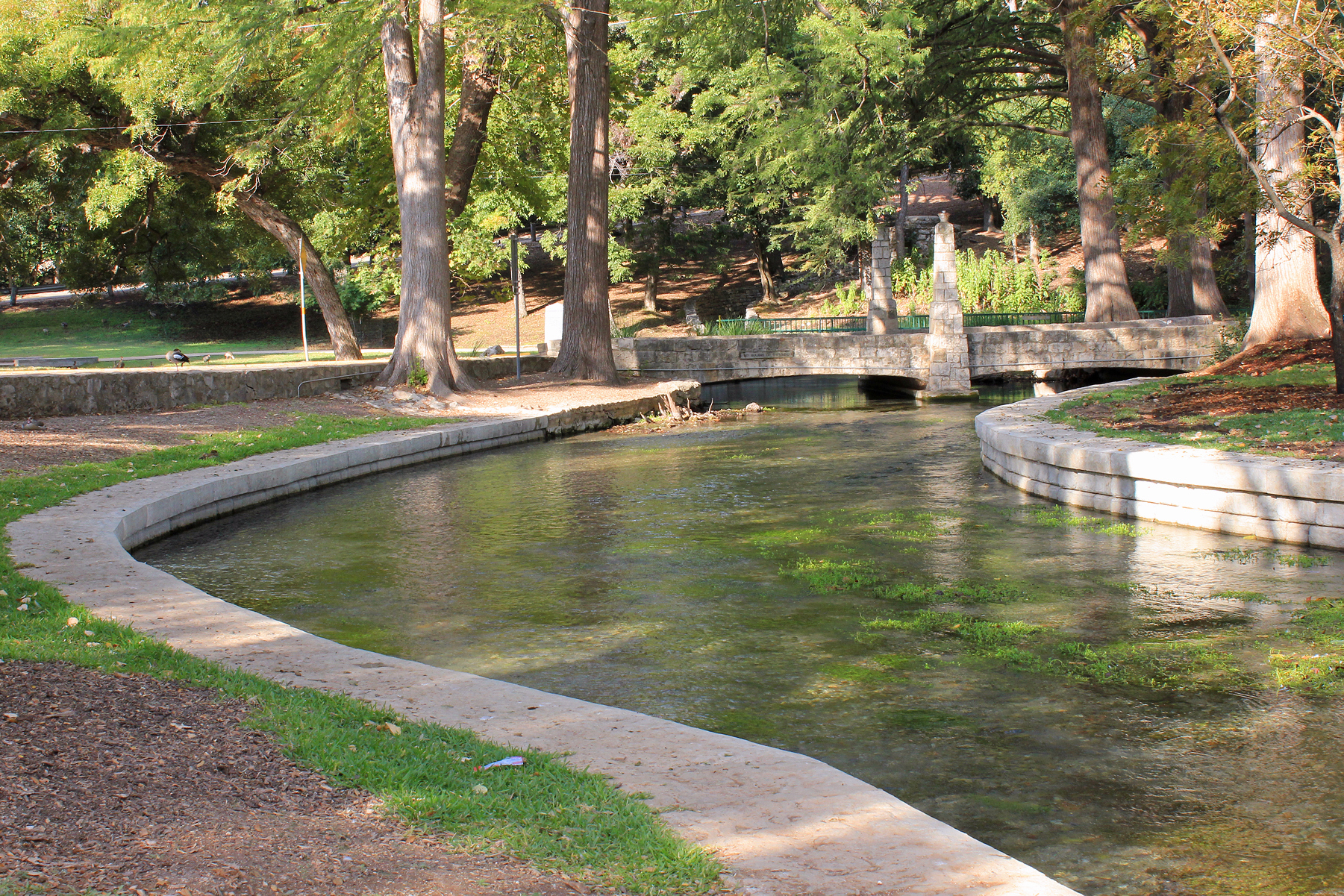
The first mistake is treating the region as one compact destination. Gruene, central New Braunfels, Canyon Lake and the upper Guadalupe solve different kinds of days.
Choose your anchor.
Music and walkability: start in Gruene. Two-river city day: start in New Braunfels. Lake day: choose the Canyon Lake access point before lodging. Quiet river/outdoors: look upstream and at Guadalupe River State Park.
Do not collect pins.
Choose one anchor activity each day and build around it. River logistics, parking, summer heat and Hill Country road time punish overstuffed itineraries.
Tony’s call: A good weekend feels spacious. One major water experience, one cultural anchor and one evening with music or a long meal is enough.
Choose one primary landscape
For a first visit, decide whether the day is fundamentally about Gruene, the rivers, Canyon Lake or the city. Add one secondary experience only after the anchor works. The common mistake is treating all four as adjacent attractions.
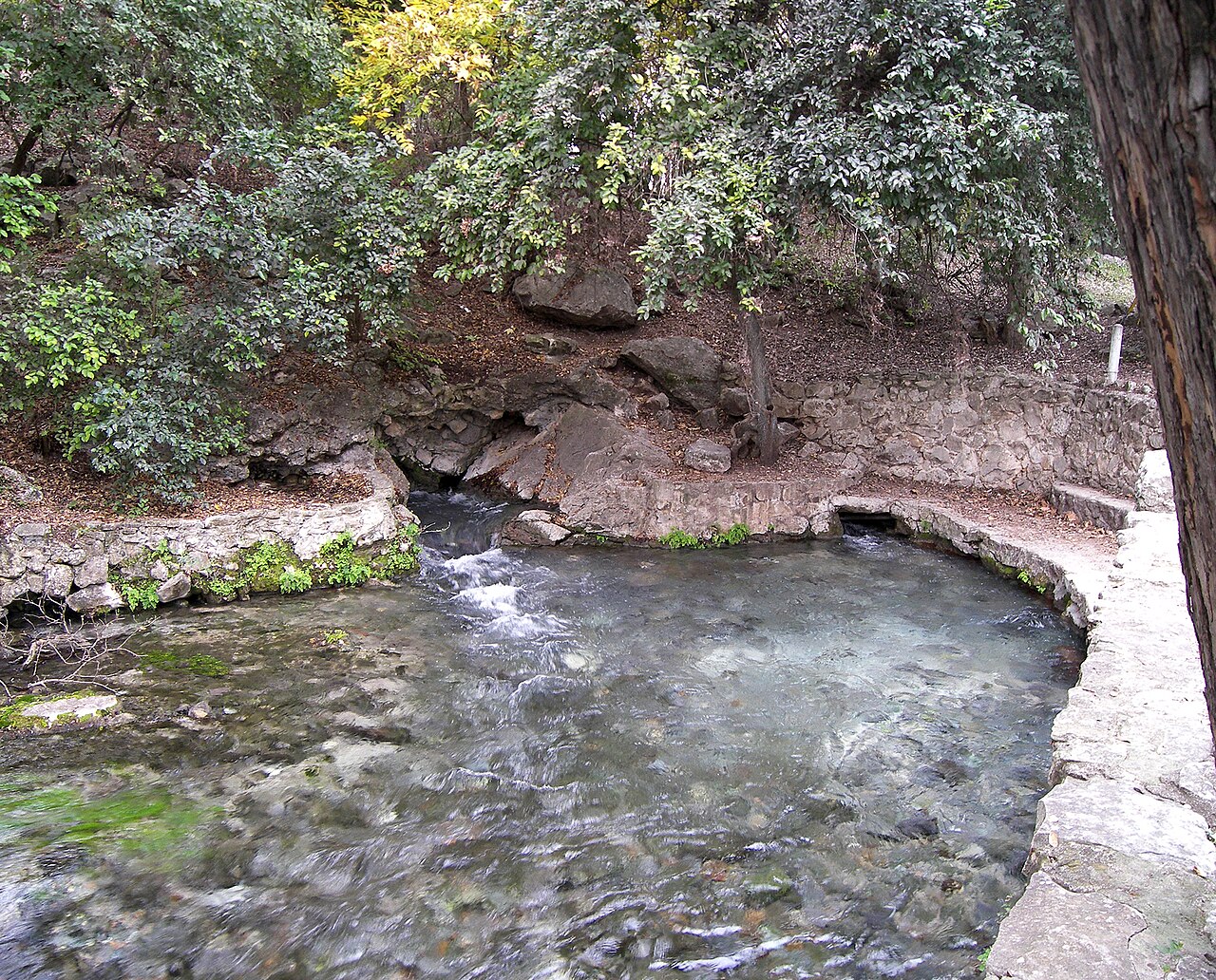
A strong first-day sequence
Begin at Landa Park to understand the water, continue to downtown New Braunfels or Sophienburg for context, rest during peak heat, then enter Gruene for dinner and music. Substitute Canyon Lake only if lake access is the primary purpose; it should not be squeezed into a spare hour.
What changes the plan
- Summer heat moves outdoor time into morning and evening.
- River flow changes the quality and safety of a float.
- Lake level and closures determine usable access.
- Ticketed music can become the day’s immovable anchor.
- Mobility needs favor verified paved routes over historic improvisation.
Tony’s judgment: Leave one block unplanned. The region rewards attention more than speed, and the best correction to a crowded itinerary is subtraction.
How the region fits together
Gruene is the compact historic and music doorway. New Braunfels is the working city between two rivers. Canyon Lake is a multi-shore reservoir with dispersed access. The Guadalupe is a changing corridor, not one attraction. Once those distinctions are clear, the map stops being deceptive.
Arrival mistakes to avoid
- Entering Gruene at peak time without a parking plan.
- Driving to Canyon Lake without naming the park or ramp.
- Buying a tube before understanding the route and exit.
- Assuming every old building has modern accessibility.
- Saving the weather check until after leaving lodging.
What deserves advance commitment
Ticketed music, fixed shuttle times, campsites and the correct lodging zone. Meals, short walks and secondary stops should remain flexible. This balance gives the trip structure without turning it into a schedule that cannot respond to heat, water or crowds.
Build from the evening backward
If the trip includes a ticketed performance, establish its arrival time and parking first. Then choose an afternoon that ends nearby and a morning that does not exhaust the group. Working backward prevents the evening anchor from becoming another rushed stop.
Know when Austin or San Antonio belongs
A major festival, exhibition or performance can justify the drive, but it should replace a local half-day rather than attach to one. The Worth the Drive calendar exists to help make that decision deliberately.
My first-visit sequence
- Understand the water: check live conditions before promising a float, swim or launch.
- Understand the city: use Main Plaza and one museum to establish the story.
- Choose one landscape: Comal, Guadalupe or one Canyon Lake shore.
- Protect the evening: reserve the show or meal that matters most.
The mistake I see most often
Visitors treat Gruene, downtown, River Road and Canyon Lake as adjacent stops. They are related, but movement among them consumes the day. A first visit should reveal the connections without turning the region into a windshield tour.
Begin with orientation, not consumption
A first visit should answer three questions early: Where does the water come from? Why was the town established here? How are Gruene, New Braunfels and Canyon Lake related? Main Plaza and the Sophienburg establish the civic and migration story. Landa Park makes the spring system visible. Gruene shows how agriculture, river power, commerce and public entertainment grew into a district. Canyon Dam reveals the twentieth-century engineering layer.
That sequence does not require a lecture at every stop. It gives the traveler a mental map. Once the relationships are clear, food, music, tubing and shopping stop feeling like unrelated products.
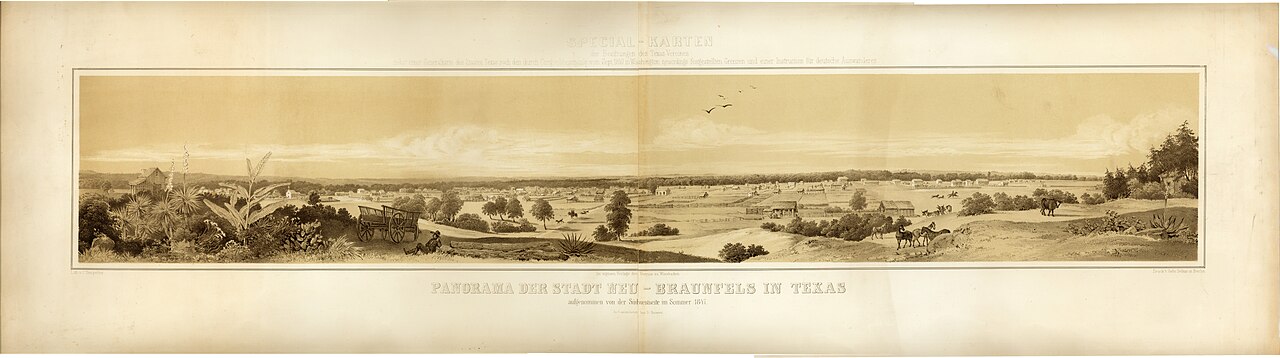
Choose the first visit you actually want
History-first travelers should spend the morning in the museum and plaza, then walk the Whole Story Route. Water-first travelers should protect the morning for the selected river or lake access and use late afternoon for Gruene. Music-first travelers should reserve the performance and build every other choice around arrival. Families should choose one anchor and one flexible landscape. The mistake is allowing a generic “must-do” list to overrule the group.
Know when to stop
By late afternoon, heat, wet clothing, parking and decision fatigue begin to shape behavior. Leave room for a shower, a porch, an unhurried meal or the full music set. A first visit should make the region legible and desirable, not exhausting.
Use the evening as the test
If everyone still has the energy to hear music, walk after dinner or talk about what they saw, the day was probably designed well. If the evening becomes a negotiation over parking and exhaustion, too much was scheduled. Protecting the final hours is one of the simplest ways to turn a first visit into a return visit.
The goal is orientation, not completion
A first visit succeeds when the region begins to make sense. Learn the relationship among Gruene, downtown New Braunfels, the Comal and Guadalupe rivers, River Road and Canyon Lake; then leave something for the return. Trying to collect every landmark produces windshield time and shallow impressions. A focused day with one landscape, one historic district and one unhurried meal will teach more than a checklist assembled for proof.
Why I make that choice
Then I would add downtown New Braunfels or Canyon Lake—not both at full scale. The goal is to understand where you are well enough to want a second visit, not to clear a regional checklist.
Plan the experience
Essential, full and fallback
Realistic time6–10 hours
Cost postureMostly free to moderate
Access realityParking, heat and water conditions shape the route
Open the field map · Check current events · Check lake, river and weather conditions
Sources & further reading
- Texas Parks & Wildlife — Guadalupe River State Park
- Texas Parks & Wildlife — Canyon Lake public access
Tony’s Guide separates documented history from interpretation. If you spot an error or know of a primary source we should examine, send a correction.