Choose one indoor anchor and one nearby meal
A rainy day here is not a failed river day. It shifts attention from water and patios to museums, food, music and the stories that explain why New Braunfels and Gruene look the way they do.
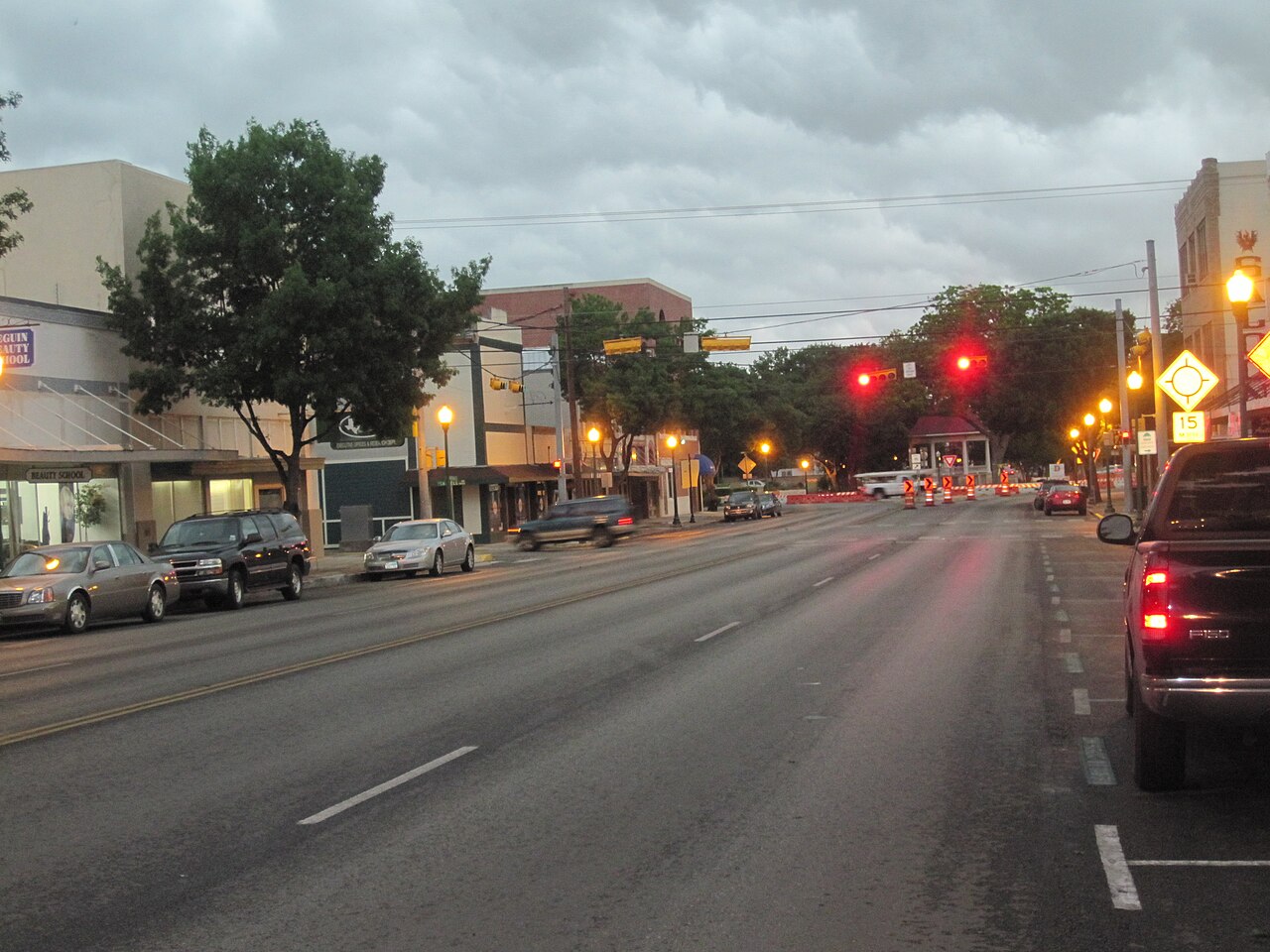
Tony’s call: Stop waiting all morning for a two-hour break in the radar. Choose one indoor anchor, add one good meal and keep a short outdoor walk available if conditions improve.
Choose the right indoor anchor
Sophienburg Museum & Archives
This is the strongest first choice when you want German-Texas history told with objects, documents and institutional memory rather than festival shorthand. Allow 60–90 minutes, then use downtown New Braunfels for lunch or another compact stop.
New Braunfels Railroad Museum
A useful smaller stop for families and anyone interested in the infrastructure that moved people and goods through the region. It works best in a downtown circuit, not as the only destination for an entire day.
McKenna Children’s Museum
For younger children, this is the practical answer to sustained rain or dangerous heat: hands-on activity without asking parents to improvise for hours in a restaurant. Confirm the current schedule before leaving.
Use Gruene differently
In light rain, go early, park once and make the district a sequence of short stops: one shop, a meal, the general-store atmosphere and music if the calendar fits. Historic surfaces and thresholds can be uneven and slick. Heavy rain is different: low-water crossings and river roads deserve respect, and no destination is worth driving through water covering a road.
Build the day around one meal
Gristmill offers the strongest connection between atmosphere and Gruene’s cotton-gin landscape, but it also becomes an obvious refuge for everyone else. Krause’s provides more room and a different German-Texas expression. Downtown New Braunfels offers the widest range of backups. Choose one; do not waste the day driving from waitlist to waitlist.
A dependable four-hour plan
- Morning: Sophienburg or McKenna Children’s Museum.
- Lunch: downtown New Braunfels or Gruene before peak demand.
- Afternoon: Railroad Museum, coffee or a short shopping circuit.
- Evening: use the events desk for indoor music, theatre or performance.
Before leaving
- Check live weather and official road alerts.
- Confirm museum and performance hours directly.
- Carry a dry layer; air-conditioned interiors feel cold after rain.
- Keep the schedule geographically tight. Rain makes cross-region driving slower.
Rain is not the only weather problem
After a storm, the rain may stop while river conditions, low-water crossings and muddy access remain affected. Recheck the next morning rather than assuming blue sky resets the landscape. In summer, a cloudy day can still carry dangerous heat and humidity.
Keep one genuinely optional stop
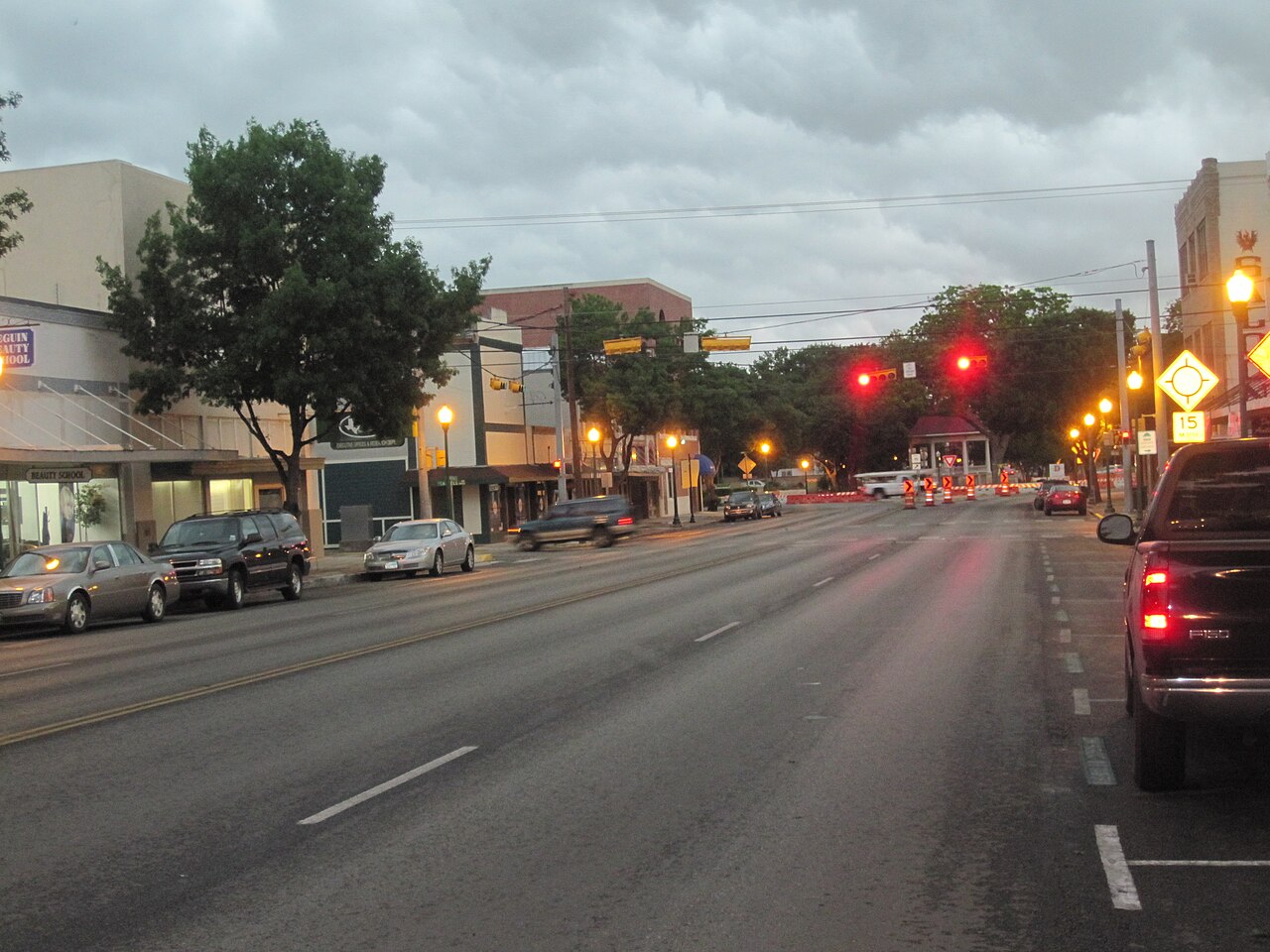
A rainy-day plan becomes exhausting when every indoor place is treated as mandatory. Choose the museum or children’s activity first, the meal second and one optional stop last. If the group settles into conversation or music, let the schedule go.
A rainy day that still feels local
Morning: begin at the Sophienburg, where two focused hours can explain the migration, town plan and material life behind the decorative German layer. Midday: eat downtown rather than driving between scattered attractions. Afternoon: choose the Railroad Museum, Conservation Plaza when conditions allow, or a long café pause. Evening: look for a scheduled performance at the Brauntex, Circle Arts or Gruene Hall rather than assuming live music is continuous.
When to abandon the river plan
Lightning, rising water, a flood watch, poor visibility or closed crossings are not inconveniences to negotiate. Move inland and stay there. After heavy rain, banks and trails can remain unsafe after the sky clears. The fallback is part of the trip plan, not evidence that the trip failed.
Read the weather by consequence
Light rain, a thunderstorm and upstream flood conditions are three different problems. Light rain may only change clothing and walking surfaces. Lightning ends water activity and exposed outdoor plans. Prolonged or upstream rainfall can affect roads and rivers after precipitation has stopped locally. The useful question is not “Will it rain?” but “What becomes unsafe or unpleasant if this forecast verifies?”
The Sophienburg is the strongest rainy-day anchor because it gives the region a historical framework: migration, settlement, town building and the transformation of a German-Texas community. The Railroad Museum narrows the lens to the infrastructure that connected local production to larger markets. For young children, McKenna offers active indoor time. These are not interchangeable backups; select the institution that fits the group and allow enough time to engage with it.
Do not spend the day chasing a gap
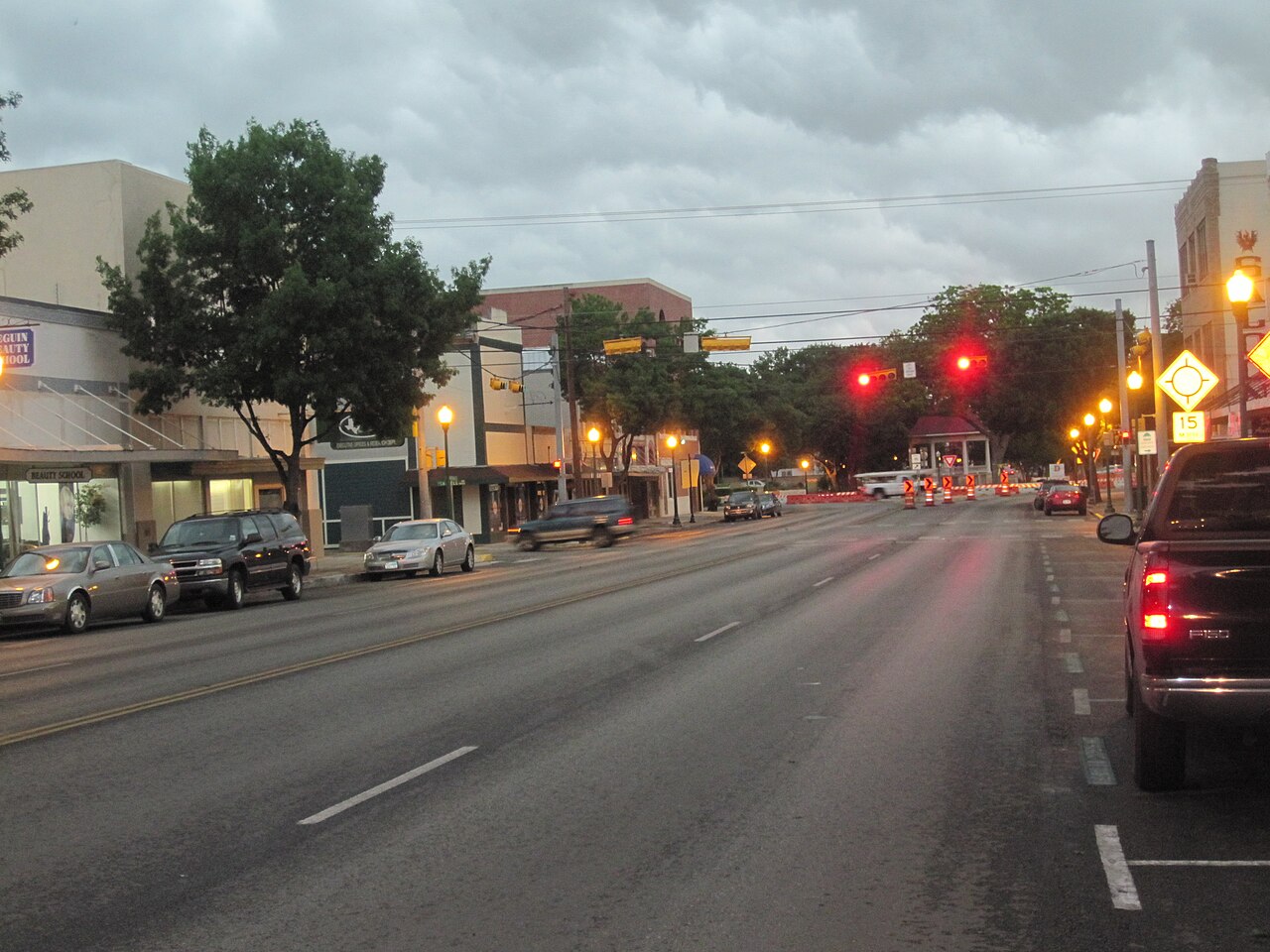
A common mistake is to remain packed for the river while repeatedly refreshing radar. By noon, the group has done nothing and still has no safe plan. Set a decision time in the morning. If the outdoor anchor is lost, commit to the indoor day, make the necessary reservation and stop treating every lighter patch of sky as a promise.
Keep the geography tight. Downtown New Braunfels can support a museum, meal, coffee and the Brauntex without repeated long drives. Gruene can support a meal, shopping and scheduled music in light weather, but slick historic surfaces and parking still require care. Natural Bridge Caverns may be an option only when the approach roads and the attraction’s operations are unaffected; a cave is not automatically a storm shelter.
Let the altered day reveal something different
Rain reduces the pressure to perform summer recreation. It creates time to read exhibit labels, notice architecture and hear the region’s music indoors. A serious guide should not promise that every rainy day becomes magical. It should make clear when to stay away from water and show that the region remains worth understanding when the postcard plan disappears.
Why I make that choice
I choose one strong indoor anchor, one nearby meal and short transfers. If roads or warnings worsen, I shorten the day instead of trying to defeat the weather.
Plan the experience
Essential, full and fallback
Realistic time3–7 hours
Cost postureLow to moderate depending on tickets
Access realityStorms can still affect roads, caves and venue operations
Open the field map · Check current events · Check lake, river and weather conditions